

Laparoscopic Hiatal Hernia Repair with Nissen Fundoplication in a 55-Year-Old Female
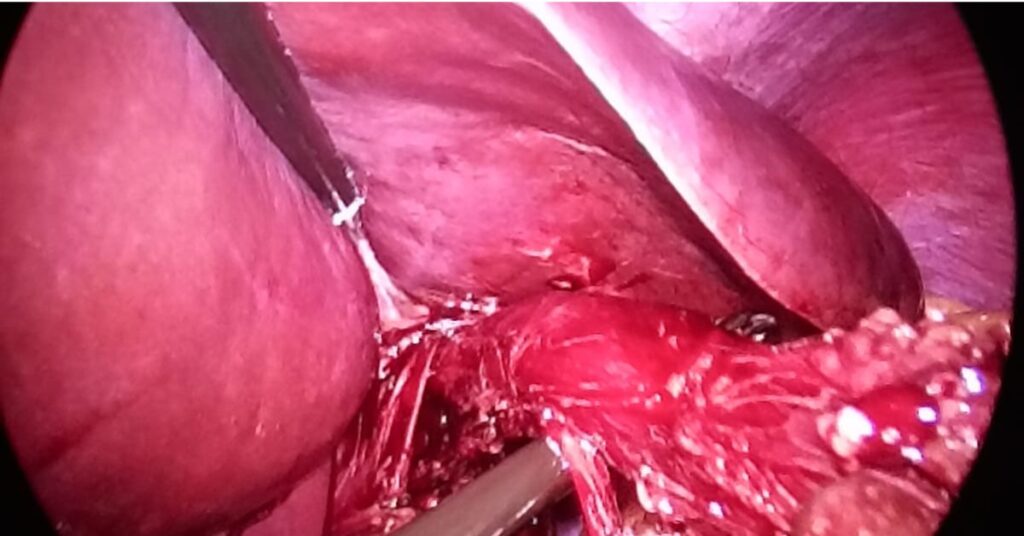
Patient's Initial Condition
Symptoms / Health Concerns
● 55-year-old female patient
● Hiatal hernia with severe acid reflux
● Difficulty in swallowing
● Frequent acid reflux
● Severe acidity
● Abdominal pain
● Nausea
● Sharp chest pain
● Heartburn
● Symptoms significantly affecting daily life
Duration of Symptoms
The patient had been experiencing these symptoms for approximately 2–3 years. Despite conservative management, including medications and dietary modifications, her symptoms continued to persist.
Previous Treatments
Before undergoing surgery, the patient had tried conservative treatment measures, including:
● Antacid medications
● Avoiding foods that triggered acidity and reflux
● Eating smaller meals
● Dietary modifications to control reflux symptoms
Despite these measures, the patient continued to experience significant acid reflux and associated symptoms.
Diagnosis
Final Diagnosis
● Hiatal Hernia
● Severe Gastroesophageal Reflux
● Persistent Acid Reflux
● Difficulty in Swallowing
● Heartburn and Chest Discomfort
Tests / Scans / Investigations
The patient underwent appropriate clinical evaluation and diagnostic assessment for her persistent reflux and associated symptoms.
The evaluation confirmed the presence of a hiatal hernia associated with severe acid reflux, requiring surgical management after inadequate relief with conservative treatment.
Treatment Details
Laparoscopic Hiatal Hernia Repair with Laparoscopic Nissen Fundoplication
Considering the persistent symptoms and inadequate response to conservative treatment, the patient underwent minimally invasive laparoscopic surgery.
The procedure consisted of:
● Laparoscopic repair of the hiatal hernia
● Laparoscopic Nissen fundoplication
The hiatal defect was repaired, and fundoplication was performed to help control gastroesophageal reflux and reduce the patient's symptoms.
Duration: The patient underwent minimally invasive laparoscopic surgery and remained under postoperative observation in the hospital for approximately 2–3 days.
Advanced Techniques Used
● Minimally invasive laparoscopic approach
● Laparoscopic hiatal hernia repair
● Laparoscopic Nissen fundoplication
● Surgical correction of the hiatal defect
● Anti-reflux surgical procedure
● Postoperative monitoring for safe recovery
Results & Recovery
Patient Improvements
● The hiatal hernia was successfully repaired
● Reflux symptoms were addressed surgically
● The patient progressed well during recovery
● Postoperative recovery was satisfactory
● The patient was able to gradually resume routine activities
● Overall quality of life was expected to improve with control of her longstanding reflux symptoms
Recovery Duration: The patient had a hospital stay of approximately 2–3 days following surgery. She gradually recovered after the procedure and was able to return to her routine activities in approximately 2–3 weeks.
Final Outcome
The patient successfully underwent laparoscopic hiatal hernia repair with Nissen fundoplication for a symptomatic hiatal hernia associated with severe acid reflux.
Following surgery, she progressed well through recovery and gradually returned to her routine activities. The minimally invasive approach allowed appropriate surgical treatment while supporting a relatively short hospital stay and recovery period.
Returned to Normal Activities: Yes
Case Highlights
What Makes This Case Unique
This case involved a 55-year-old female with a symptomatic hiatal hernia and severe acid reflux persisting for 2–3 years.
The patient had experienced multiple symptoms, including difficulty swallowing, severe acidity, acid reflux, abdominal pain, nausea, sharp chest pain, and heartburn.
She had already tried conservative measures such as antacids, avoiding trigger foods, and eating smaller meals, but her symptoms continued to affect her daily life.
A minimally invasive surgical approach was selected, combining laparoscopic hiatal hernia repair with Nissen fundoplication to address both the anatomical defect and gastroesophageal reflux.
Complex / Rare Factors
● Symptomatic hiatal hernia
● Severe acid reflux
● Long-standing symptoms for 2–3 years
● Difficulty swallowing
● Severe acidity and heartburn
● Abdominal and chest discomfort
● Persistent symptoms despite conservative management
● Minimally invasive laparoscopic hiatal hernia repair
● Laparoscopic Nissen fundoplication
● Short postoperative hospital stay
● Return to routine activities within approximately 2–3 weeks
Most Significant Benefit
The most significant benefit was the ability to treat the hiatal hernia and associated severe acid reflux through a minimally invasive laparoscopic approach.
The combination of hiatal hernia repair and Nissen fundoplication addressed the underlying anatomical defect while providing surgical control of gastroesophageal reflux symptoms.
The patient also benefited from a relatively short hospital stay and was able to gradually return to routine activities within approximately 2–3 weeks.
Conclusion
This case highlights the role of minimally invasive laparoscopic surgery in the management of symptomatic hiatal hernia with severe acid reflux.
A 55-year-old female from Indore had been experiencing difficulty swallowing, severe acidity, acid reflux, abdominal pain, nausea, sharp chest pain, and heartburn for approximately 2–3 years. She had previously tried antacids, dietary modifications, avoiding trigger foods, and eating smaller meals, but her symptoms persisted.
The patient subsequently underwent laparoscopic hiatal hernia repair with Nissen fundoplication. The procedure was performed to repair the hiatal defect and provide surgical control of gastroesophageal reflux.
She had a hospital stay of approximately 2–3 days and gradually returned to her routine activities within 2–3 weeks.
The case demonstrates how appropriate surgical evaluation and a minimally invasive laparoscopic approach can provide an effective treatment option for patients with persistent symptomatic hiatal hernia and severe acid reflux.