
Laser fistula surgery in Indore is a minimally invasive technique that uses laser energy to close the fistula tract precisely. It causes minimal pain, reduces bleeding, and promotes faster healing. Patients benefit from shorter hospital stays, quicker recovery, and lower risk of recurrence compared to conventional surgery.
Fistula Treatment in Indore
Home » Fistula Treatment in Indore
Best Fistula Treatment in Indore

Traditional open fistula surgery in Indore is used to treat complex or recurrent anal fistulas. The surgeon carefully opens and removes the fistula tract to prevent infection and recurrence. Though recovery may take longer, this method ensures effective healing with proper post-operative care and monitoring.
Book Appointment
+91-8085010071
+91-8851463446
Muffazzalr@gmail.com
Visit Us
Address1:
Cabin no. 104, First floor Shalby R S bhandari Marg, Janjeerwala Square, Indore, Madhya Pradesh - 452003
Address2:
Shop 6, Manik Bagh Rd, Phadnis Colony, Ashoka Colony, Indore, Madhya Pradesh 452014
Address3:
45 Jawahar Marg, 1st Floor, Badshah Chamber, Near Municipal Car Parking, Premsukh Cinema, Indore, Madhya Pradesh - 452007
Fistula Treatments
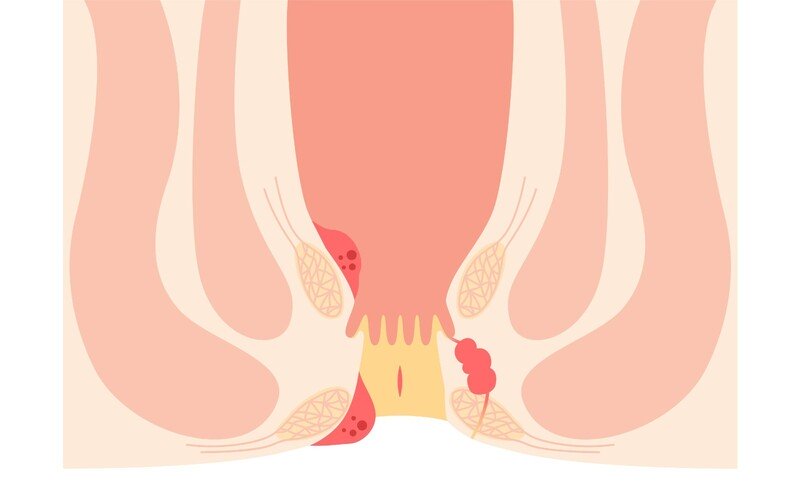
A fistula is an abnormal connection between two organs or between an organ and the skin . It is a tunnel . Anal fistulas are most often found in the area around the anus and rectum and typically develop after an anal abscess. They can cause symptoms like pain, swelling, discharge of pus or blood, recurrent infections.
Symptoms/Causes:
The main sign of an anal fistula is continuous drainage of pus, blood or other fluids from an opening near the anus. Other symptoms may include pain, swelling, redness and tenderness around the anus as well as recurrent abscesses or infections in the anal region. Many cases of anal fistula occur after an anal abscess. An anal abscess is caused by infection and blockage of an anal gland. This can result in a fistula tract between the anal gland and the skin or another part of the intestine if the abscess bursts or is drained.
Treatment Alternatives:
Treatment of anal fistula is aimed at relief of symptoms, prevention of infection and healing of the fistula tract. Mild cases may be treated with antibiotics and sitz baths, but surgery may be required for chronic or complicated fistulas. In such cases, Traditional Open Fistula Surgery in Indore gives a complete approach to remove and repair the fistula tract. You can also go for Laser Fistula Surgery in Indore which is a minor procedure that reduces pain, bleeding and time of recovery. Both procedures are customized to the patient’s needs to produce effective and long-lasting results.
Why Should You Choose Us:
- Fistula Care Expertise Our colorectal surgeons and proctologist have many years of experience diagnosing and treating anal fistulas. We use advanced diagnostics and evidence based treatment approaches to provide personalized and effective care to patients with fistulas.
- Comprehensive Assessment: We undertake a comprehensive assessment of patients with anal fistulas, including a detailed medical history, physical examination, and at times additional testing such as imaging studies or endoscopic procedures to assess the extent of the fistula and rule out other conditions. This thorough assessment enables us to create treatment strategies that are tailored to each patient.
- Advanced Surgical Techniques: We provide a variety of surgical options for anal fistulas, including minimally invasive methods and more complex procedures like fistula plug placement and advancement flaps. Fistula surgeon in Indore are experienced and skilled enough to perform these procedures precisely for better outcomes with fewer complications and faster recovery.
- Patient-Centered Care: We understand the impact anal fistulas can have on patients’ quality of life and are committed to providing compassionate, patient-centered care in a comfortable and supportive environment. “We take time to listen to patients’ concerns, answer their questions and involve them in the decision-making process regarding their treatment plan.
If you have symptoms of an anal fistula or are worried about your anal health, please feel free to have an assessment and treatment from our experienced team. Get in touch with us today to schedule a consultation and discover more about our comprehensive and standard approach to fistula care.
Summary
An anal fistula is an abnormal tunnel that connects the inside of the anal canal and the skin surrounding the anus, often arising from an anal abscess that was previously present or has not healed. This results in chronic discharge, discomfort and recurrent infection and is rarely self-limited. In Indore, Dr. Muffazzal Rassiwala provides full examination and complete conventional and laser surgical treatment for anal fistula. The aim is to eradicate the infection, close the passage and protect the function of the sphincter, so that the patients can lead their normal lives, without recurrence.
Common Problems
A patient with an anal fistula will generally experience one or more of the following:
- Cracks or openings around the anus that leak pus, blood or fluid constantly or periodically
- A small painful lump or swelling near the anus
- Pain that gets worse when sitting, having a bowel movement or being physically active
- Constant discharge which may irritate, itch or sore the skin around the anal opening
- Recurrent abscesses at the same site, sometimes with fever and malaise during flares
- Chronic discharge with foul smell
- Problems with bowel control in long-standing or complex cases where the tract involves a large part of the sphincter muscle
Most anal fistulas are caused by blockage and infection of an anal gland, which results in an abscess. If the abscess drains spontaneously or after lancing, the resulting tunnel can remain as a fistula. Other less common causes include Crohn’s disease, tuberculosis, diverticulitis and previous anal surgery or trauma.
Understanding of Process
The fistula tract runs from an internal opening within the anal canal to an external opening on the skin. The tract is lined with infected granulation tissue, which prevents it from healing on its own and causes frequent flare-ups with pain and drainage.
Diagnosis is made on clinical examination, often aided by a probe examination under anesthesia and imaging such as MRI fistulogram or endoanal ultrasound when the tract is complex or has multiple branches. This mapping is critical as it indicates the surgeon precisely how much of the sphincter muscle the tract goes thru, and therefore the safest treatment approach. Simple low fistulas, which involve a minimal amount of sphincter muscle, can often be treated more directly while complex or high fistulas require a more staged or muscle-sparing approach to prevent affecting continence.
Advantages:
Traditional Open Fistula Procedure
- Proven methodology with years of clinical evidence
- Effective for complex, recurrent or branched fistula tracts
- Complete excision of the tract reduces the chance of recurrence in difficult cases
Laser Surgery for Fistula
- Less invasive, with smaller wounds and less tissue disturbance
- Lowered intra-operative bleeding
- Reduced post operative pain significantly
- Shorter hospital stay, often as a day-care or overnight procedure
- Faster return to work and daily activity
- Sphincter-sparing approach that reduces the risk of incontinence problems
- Reported recurrence rates less than conventional lay-open techniques in appropriate cases
Our Surgical Process
- Consultation and Assessment – Complete history and physical examination to determine the site, duration, and associated conditions such as Crohn’s disease or diabetes of the fistula.
- Diagnostic Mapping – Exam under anesthesia and, if indicated, MRI fistulogram or ultrasound to map the entire tract and locate internal and external openings.
- Anesthesia – Spinal or general anesthesia is given based on the complexity of the case and the factors related to the patient.
- Tract Treatment – Open surgery opens or removes the tract and then it is allowed to heal from inside with routine dressing. Laser surgery (FiLaC) seals and closes the tract from inside out without cutting thru the sphincter muscle.
- Post-Operative Care – Pain relief, wound care instructions, sitz baths, dietary instructions to keep stools soft and a clear follow-up schedule to confirm healing and rule out recurrence.
- Follow-up – Regular review visits to assess wound healing, continence and general recovery.
Why Select Dr Muffazzal Rassiwala
- Specialist expertise in colorectal and proctology procedures including conventional and laser fistula management
- Complete diagnostic work-up with clinical assessment and imaging to accurately classify the fistula before deciding on a technique
- Customized treatment planning – we don’t take a cookie-cutter approach. Based on the anatomy of the fistula, the safest and most effective option is chosen
- Minimally invasive options for eligible patients, decreasing pain and downtime
- Sphincter-preserving philosophy with focus on long-term bowel control and cure
- Ability to speak freely thru the journey from diagnosis to recovery
- Clinics in Indore that are easily accessible and well connected and have flexible appointment timings
Industry perspectives
Anal fistula remains one of the more common conditions encountered in colorectal practice and the approaches to treatment have changed considerably over the last decade. More frequently are being used sphincter-preserving techniques such as laser closure (FiLaC), LIFT (Ligation of Intersphincteric Fistula Tract) and fibrin glue/plug methods aiming to close the fistula and reduce the risk of incontinence related to more extensive traditional surgery. However, traditional fistulotomy and fistulectomy still have an important role, especially in simple low fistulas, where they are highly effective and cost-effective. In proctology, the trend is to select the individual treatment on the basis of precise preoperative imaging rather than one default technique, and this practice also follows this.
Schedule a Consultation
Connect with Dr. Muffazzal Rassiwala today.
Phone: +91-8851463446, +91-8085010071, +91-7049918753
E-mail: muffazzalr@gmail.com
Address: Cabin No. 104, First Floor, Shalby R S Bhandari Marg, Janjeerwala Square, Indore, Madhya Pradesh – 452003