
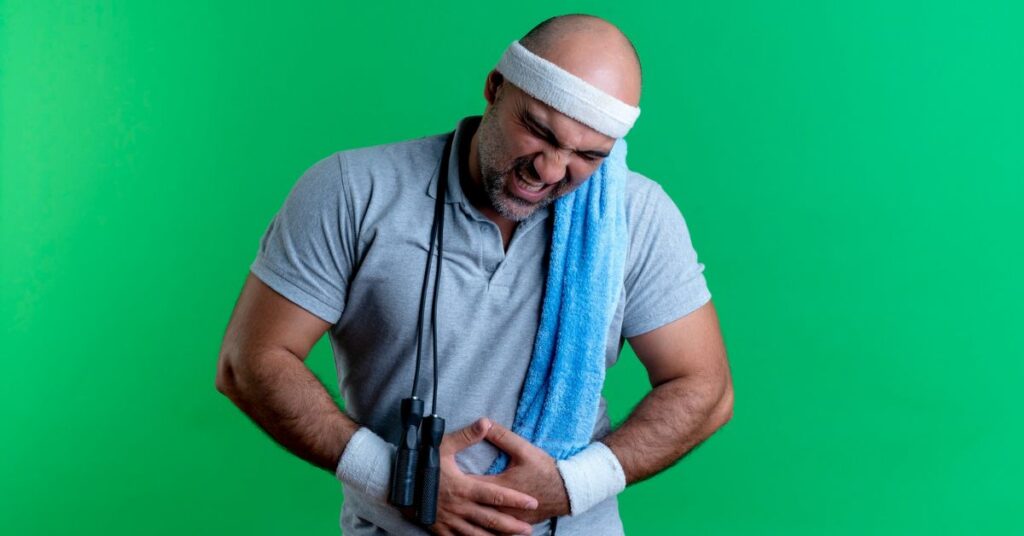
Have you noticed a bulge, swelling, or discomfort near an old abdominal surgery scar? It may not be just a change in the scar. In some cases, it can be an incisional hernia, which develops when tissue pushes through a weakened area of the abdominal wall at the site of a previous surgical incision. It can appear weeks, months, or even years after surgery.
What Is an Incisional Hernia?
An incisional hernia occurs when the abdominal wall becomes weak around a previous surgical site. Fatty tissue or part of the intestine may push through this weak area, creating a visible or noticeable bulge.
The bulge may become more prominent when you stand, cough, strain, or lift something. Some people may also experience aching, pressure, tenderness, or pain around the old scar.
Why Can a Hernia Develop After Surgery?
Abdominal surgery can leave an area of weakness in the abdominal wall while the tissues heal. Several factors may increase the likelihood of developing an incisional hernia, including:
- Previous abdominal surgery
- Increased abdominal pressure from coughing or straining
- Heavy physical activity during recovery
- Surgical-site infection
- Problems with wound healing
- Obesity or increased abdominal pressure
- Multiple abdominal surgeries
However, an incisional hernia can develop even when the original surgical wound appeared to heal normally.
What Are the Common Signs?
A bulge near an old surgery scar is one of the most noticeable symptoms. Other possible signs include:
- Swelling around the surgical scar
- Abdominal discomfort or aching
- Pain that increases while coughing or lifting
- A feeling of pressure or heaviness
- A bulge that becomes more noticeable while standing or straining
- Increasing size of the bulge over time
Not every incisional hernia causes pain, so a painless bulge should not automatically be ignored.
Does an Incisional Hernia Need Surgery?
Not every small, symptom-free incisional hernia requires immediate surgery. A doctor may recommend monitoring in selected cases. However, a hernia that is painful, enlarging, or affecting daily activities may require surgical repair.
Incisional Hernia Surgery in Indore may involve open or minimally invasive repair, depending on factors such as the size and location of the hernia, previous surgeries, symptoms, and overall health. In some repairs, mesh may be used to reinforce the weakened abdominal wall.
When Should You See a Doctor?
If you notice a new or growing bulge around a previous abdominal surgical scar, it is advisable to have it evaluated by a qualified surgeon. Early assessment can help determine whether the swelling is an incisional hernia and whether treatment or observation is appropriate.
Seek urgent medical attention if the bulge becomes suddenly painful, firm, difficult to push back, or is accompanied by nausea, vomiting, fever, abdominal swelling, or other sudden symptoms. These can indicate a potentially serious complication.
Get the Right Treatment for an Incisional Hernia
A bulge near an old surgery scar should not always be considered a normal part of healing. If you have persistent swelling, discomfort, or a growing bulge, a proper examination can help identify the cause.
If you are looking for Incisional Hernia Surgery in Indore, consult Dr. Muffazzal Rassiwala for an evaluation and personalized treatment plan based on your condition.
An incisional hernia can develop long after abdominal surgery and may initially appear as a small bulge near the old scar. While some hernias can be monitored, painful, enlarging, or complicated hernias may require surgical treatment.