
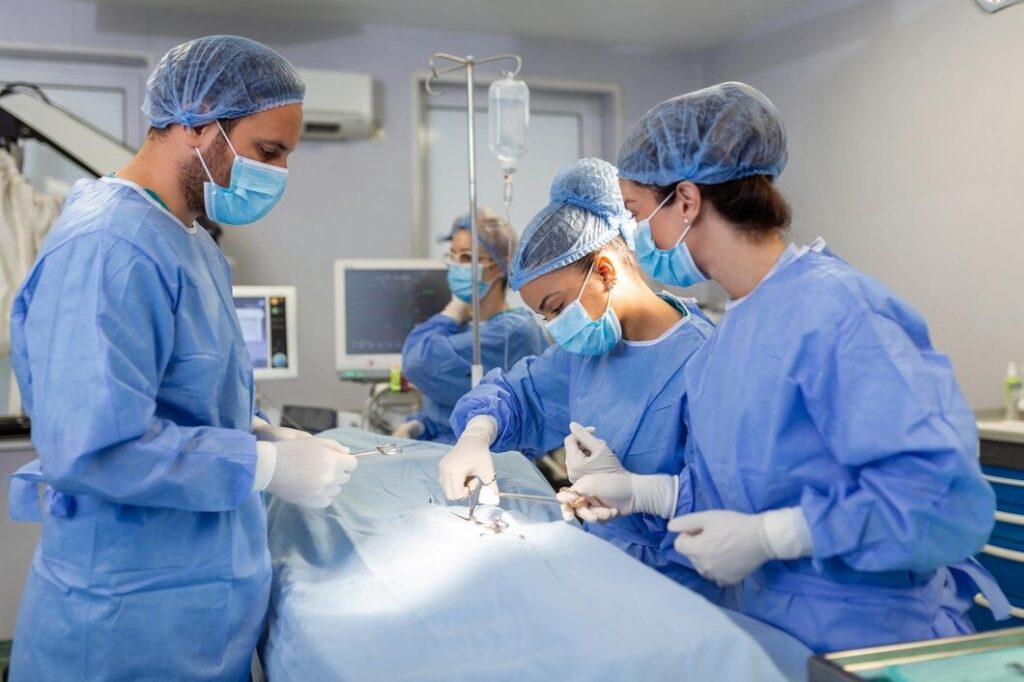
Open hernia surgery in Indore involves a single incision to repair the weakened muscle wall and place supportive mesh. It is suitable for large or complicated hernias. This method provides effective, long-lasting results, though recovery may take longer, with careful post-operative care ensuring proper healing.
Hernia Treatment in Indore
Home » Hernia Treatment in Indore
Best Hernia Surgery in Indore
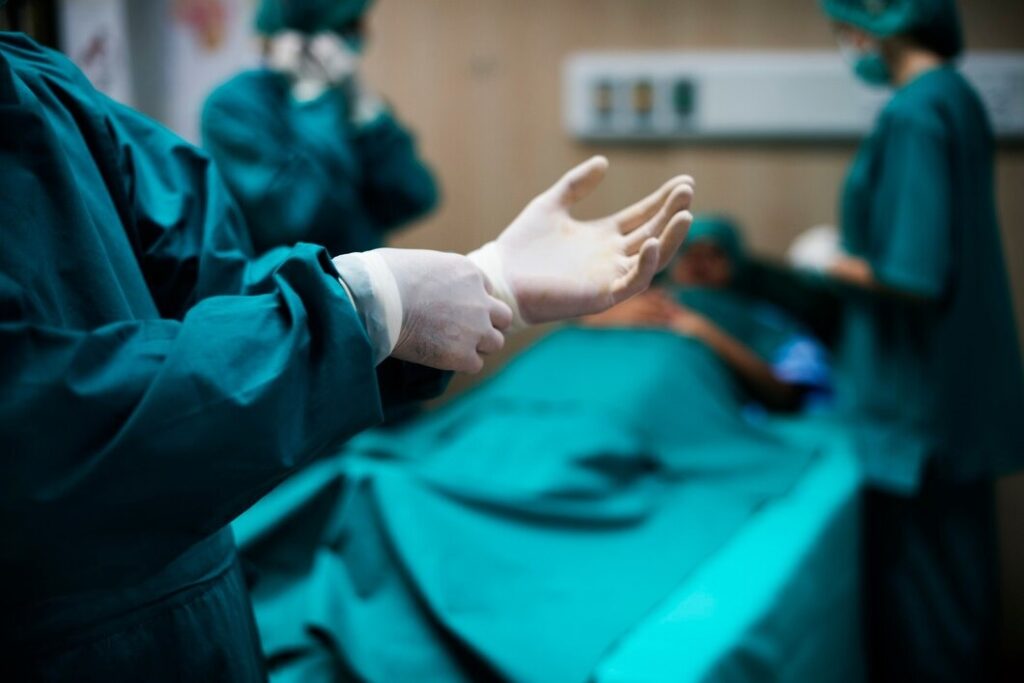
Laparoscopic hernia surgery in Indore is a minimally invasive procedure performed through small keyhole incisions to repair the hernia using mesh. It offers less pain, minimal scarring, and faster recovery. Patients usually resume normal activities sooner, with reduced hospital stay and improved long-term surgical outcomes.
Book Appointment
+91-8085010071
+91-8851463446
Muffazzalr@gmail.com
Visit Us
Address1:
Cabin no. 104, First floor Shalby R S bhandari Marg, Janjeerwala Square, Indore, Madhya Pradesh - 452003
Address2:
Shop 6, Manik Bagh Rd, Phadnis Colony, Ashoka Colony, Indore, Madhya Pradesh 452014
Address3:
45 Jawahar Marg, 1st Floor, Badshah Chamber, Near Municipal Car Parking, Premsukh Cinema, Indore, Madhya Pradesh - 452007
A hernia is a common medical condition that can affect people of any age. This happens when internal organ or tissue bulges through a weak area in the muscle or connective tissue that surrounds it. Some hernias may appear benign initially but could grow and lead to serious complications if left untreated. An experienced hernia surgeon in Indore ensures timely treatment, quick recovery, less pain, and prevention of complications in the future.
Dr. Muffazzal Rassiwala is the best and trusted hernia doctor in Indore, who offers safe, advanced and minimal invasive hernia treatments. With expertise in both laparoscopic hernia surgery in Indore and open surgical procedures, he offers personalized care tailored to each patient’s condition.
What is a Hernia?
A hernia develops when an organ, usually part of the intestine or abdominal fat, protrudes through a weakened area in the muscle wall. This creates a visible bulge, often accompanied by pain or discomfort, especially while coughing, bending, or lifting heavy objects.
Hernias do not heal on their own. Over time, they may enlarge and cause complications such as obstruction or strangulation of the intestine, which can become life-threatening. That’s why early consultation with a hernia surgeon in Indore is essential.
Causes of Hernia
Hernias are typically caused by a combination of muscle weakness and strain. Some people are born with weak abdominal muscles, while others develop weakness over time.
Common Causes Include:
- Heavy weight lifting
- Chronic coughing or sneezing
- Obesity
- Constipation and straining during bowel movements
- Pregnancy
- Previous abdominal surgery
- Aging and muscle degeneration
- Fluid buildup in the abdomen
If you notice any unusual swelling or pain in the abdominal or groin region, consult a top hernia doctor in Indore immediately.
Symptoms of Hernia
Symptoms vary depending on the type and severity of the hernia.
Common Signs Include:
- A visible bulge in the abdomen or groin
- Pain or discomfort while bending or lifting
- Burning or aching sensation at the bulge site
- Heaviness or pressure in the abdomen
- Nausea or vomiting (in complicated cases)
- Difficulty passing stool or gas (medical emergency)
If a hernia becomes painful, firm, or cannot be pushed back in, immediate medical attention from the best hernia surgeon in Indore is required.
Types of Hernia Treated
Dr. Muffazzal Rassiwala specializes in treating all major hernia types using modern surgical techniques.
Umbilical Hernia Surgery in Indore
Occurs near the belly button when abdominal tissue pushes through weakened muscles. Common in infants and adults with obesity or pregnancy history.
Ventral Hernia Surgery in Indore
Develops in the abdominal wall, often due to muscle weakness or previous surgery.
Hiatus (Hiatal) Hernia Surgery in Indore
Happens when part of the stomach pushes through the diaphragm into the chest cavity, causing acid reflux and heartburn.
Incisional Hernia Surgery in Indore
Occurs at the site of a previous surgical incision due to incomplete healing or weakness in the abdominal wall.
Spigelian Hernia Surgery in Indore
A rare hernia that appears along the edge of abdominal muscles and may not always produce a visible bulge.
Epigastric Hernia Surgery in Indore
Forms in the upper abdomen between the belly button and chest, often causing mild pain.
Femoral Hernia Surgery in Indore
Occurs near the upper thigh or groin area and is more common in women. These hernias carry a higher risk of complications.
Hernia Treatment Options
Hernia treatment depends on the size, type, symptoms, and overall health of the patient. Surgery is the only permanent solution.
Best Laparoscopic Hernia Surgery in Indore
This is a minimally invasive procedure and the most preferred option today. Dr. Muffazzal Rassiwala is widely known for offering the best laparoscopic hernia surgery in Indore, ensuring faster recovery and minimal discomfort.
Procedure:
- Small keyhole incisions are made
- A laparoscope (tiny camera) is inserted
- The hernia is repaired using a surgical mesh
Benefits:
✔ Less pain
✔ Smaller scars
✔ Faster recovery
✔ Short hospital stay
✔ Lower infection risk
Dr. Rassiwala is recognized as an experienced laparoscopic hernia surgeon in Indore with excellent success rates.
Best Open Hernia Surgery in Indore
Open surgery may be recommended for large, complex, or recurrent hernias. Dr. Muffazzal Rassiwala also specializes in the best open hernia surgery in Indore, using advanced techniques to ensure strong abdominal wall repair and long-term results.
Procedure:
- A single larger incision is made
- The hernia is pushed back into place
- The muscle wall is reinforced with stitches or surgical mesh
This approach is especially useful in strangulated or complicated hernia cases.
Why Choose Dr. Muffazzal Rassiwala – Top Hernia Surgeon in Indore
Choosing the right surgeon significantly affects recovery and long-term success.
- Expertise & Experience: Dr. Muffazzal Rassiwala is a highly experienced hernia surgeon in Indore, specializing in advanced laparoscopic and open hernia procedures.
- Advanced Technology: Use of modern laparoscopic equipment ensures precision, minimal trauma, and quicker recovery.
- Comprehensive Hernia Care: From diagnosis to post-surgery follow-ups, complete care is provided under one roof.
- High Success Rate: Recognized as one of the best hernia surgeon in Indore, known for excellent patient outcomes.
- Personalized Treatment: Each patient receives a customized treatment plan based on their condition and health profile.
- Safe & Hygienic Surgical Environment: Strict infection control protocols are followed to ensure patient safety.
Recovery After Hernia Surgery
Recovery time depends on the surgical method used.
After Laparoscopic Surgery:
- Resume light activities in 3–5 days
- Return to work within 1–2 weeks
- Minimal pain and scarring
After Open Surgery:
- Recovery may take 3–4 weeks
- Avoid heavy lifting for 6 weeks
Your hernia doctor in Indore will provide detailed recovery instructions to ensure smooth healing.
Risks of Ignoring Hernia
Delaying treatment can lead to:
- Intestinal blockage
- Strangulation (cut-off blood supply)
- Severe infection
- Emergency surgery
Early treatment from the best hernia treatment in Indore prevents these serious complications.
Dr. Muffazzal Rassiwala , Consultant General, Laser & Laparoscopic Surgeon with 12+ years of experience in Shalby Multispecialty Hospital. Hernia Treatment in Indore. A hernia occurs when an internal organ or tissue bulges through a weak spot in the muscle wall surrounding it, most often in the abdomen or groin. This service is for anyone who notices a bulge, dragging discomfort or pain that gets worse when coughing, lifting or straining. Care has accurate diagnosis, minimally invasive (laparoscopic) and open repair options, and use of 3D laparoscopic system at Shalby for accurate tissue handling. The aim is a durable repair, less pain and a faster return to normal activities. Book a consultation at +91-8085010071 to determine your hernia type and the right repair for you.
Typical Problems/Challenges
In Indore, individuals with a hernia frequently delay consulting a doctor, expecting that the bulge will go away by itself. Rarely does it. A hernia is a mechanical failure of the muscle wall. The opening tends to enlarge over time. The typical problems reported by patients are:
- Visible bulge or swelling, which appears on standing, coughing or lifting, and may disappear on lying down in the early stages.
- A dragging, aching or burning pain in the groin, navel or old surgical scar which worsens during the day.
- Problems with daily activities such as climbing stairs, lifting children, exercising, or sitting for long periods of time.
- Fear that the hernia is dangerous and skepticism about whether the surgery is really needed.
- Fear of a painful operation, a long hospital stay, a big scar, or being away from work and family for weeks.
The most serious problem is obstruction or strangulation, when a loop of intestine becomes trapped and its blood supply is cut off. This is a surgical emergency with a hard, tender, irreducible lump, severe pain, vomiting, or fever. A hernia will not get better on its own and with this risk present, the best way forward is to seek an informed surgical opinion. Many patients also have concerns about cost and insurance. At Shalby we have mediclaim cashless and corporate tie-ups and Ayushman and CMRF facilities for needy and poor patients that remove a common barrier to timely treatment.
What’s this?
A hernia is when an organ or tissue pushes out through a weak spot or opening in the muscle or tissue that usually holds it in place. Weak spots like this may be present from birth in the abdomen and groin, or may develop later due to ageing, repeated straining, heavy lifting, chronic cough, constipation, pregnancy, obesity or a previous surgical incision.
Hernia treatment involves the surgical correction of that defect. There’s no pill or exercise that can bridge the gap – the muscle wall has to be physically repaired. In modern repairs, the weak spot is almost always reinforced with a soft surgical mesh, dramatically reducing the chance of the hernia coming back, versus just stitching the tissue under tension.
There are two broad approaches. Open repair involves a single incision over the hernia, through which the contents are returned, the defect repaired and the mesh placed. In laparoscopic (keyhole) repair, a camera and several small incisions are used; at Shalby, a 3D laparoscopic system provides a magnified, depth-accurate view which helps in precise dissection and mesh placement. The selection is based on the type of hernia, its size, whether it is a primary or recurrent hernia, previous surgeries and the overall health of the patient.
Types of treatment include the common inguinal (groin), umbilical (navel), incisional (through a previous scar), ventral (front of the abdomen), epigastric (upper midline), and femoral hernias, and the uncommon spigelian hernia, and hiatus hernia (where the stomach pushes up through the diaphragm). Each has a different behaviour and is treated on its own merits. Dr. Muffazzal Rassiwala is trained in minimal access surgery (FMAS, FALS, FIAGES). He believes in the use of laparoscopic techniques where they are clinically appropriate, for other large, complex or emergency cases open surgery is the right answer.
And knowing why a hernia develops helps to explain why surgery is the logical answer. The abdominal wall is a layered sheet of muscle and connective tissue which holds the internal organs in place. When there is a weakness in a part of the wall – either one that was there naturally from birth, or one that has developed over time due to ageing or stress placed on it by heavy lifting, chronic cough, straining, pregnancy or a previous incision – the pressure inside the abdomen can push tissue or a loop of bowel out through the gap. The result is the classic bulge . Because muscle doesn’t grow across such a defect, the opening cannot close itself, so conservative measures only manage symptoms, not fix the problem.
The decision to perform open or laparoscopic repair is individualized rather than by rule. The camera provides a clear view from inside the abdomen and the mesh can be placed behind the defect. This is often well suited to groin hernias, hernias on both sides and recurrent hernias. In the case of very large hernias, some incisional hernias, or when previous surgery has created extensive scar tissue, open repair is still a good choice, and sometimes better. The 3D laparoscopic system in Shalby Multispecialty Hospital offers the benefit of dissection with depth accuracy in minimally invasive repair and is especially helpful in the groin where delicate anatomy is involved.
Surgical mesh is often misunderstood. Mesh is a soft, flexible sheet that acts as a patch to reinforce the weakened muscle wall, allowing the body’s own tissue to grow into and around it over time. The accepted standard is to repair a hernia with a mesh under no tension because it spreads the load over a larger area and greatly reduces the chance of the hernia coming back compared to older techniques that would just stitch the gap closed under strain. The choice of mesh type and fixation method is based on the hernia and the patient.
Recovery is a process that involves a series of steps, not a single event. In the early days the emphasis is on gentle walking, reasonable pain control and protecting the wound. Usually lighter activities are resumed before heavier activities and a graded return to lifting, exercise and physically demanding work is planned in accordance with the repair undertaken and the individual’s job. Addressing the root causes of the muscle wall strain — weight management, chronic cough treatment, constipation relief and smoking cessation — is an important part of protecting the repair for the long term.
Indore patients often ask me how quickly they need to act. If the hernia is easily reducible and not enlarging, surgery can usually be scheduled at a convenient time after the proper workup. But there are warning signs that need to be acted on quickly. A hernia that suddenly becomes hard, painful and impossible to push back, particularly if accompanied by vomiting, fever, or a change in bowel habit, may indicate that bowel is trapped and its blood supply threatened. The single most effective way of keeping treatment simple and safe is to recognize these signs early and seek surgical advice promptly.
Advantages of the Service
Timely and well-planned hernia surgery can treat both the symptoms and the underlying risk. The benefits of choosing expert hernia treatment include:
- Definitive correction: Surgery is the only way to actually fix the muscle defect and not hide the discomfort.
- Decreased recurrence: Tension-free mesh repair strengthens this weak area and reduces the risk of a hernia recurrence.
- Relief from everyday pain: the bulge, drag and activity limiting pain are a thing of the past.
- Preventing emergencies: Repairing an elective hernia prevents the much greater risks of operating on a strangulated or obstructed hernia.
- Minimally invasive options: Laparoscopic repair where appropriate means smaller incisions, less wound pain and faster mobilisation.
- Quicker return to routine: Most patients can return to light activity within days and gradually to heavier work as advised.
- cosmetic benefit: Smaller, less obvious scars from keyhole incisions and careful closure.
- Financial accessibility: Cashless mediclaim, corporate tie-ups and Ayushman/CMRF support at Shalby help to plan treatment without delay.
Choosing an experienced hernia surgeon also means the repair will be customized. Mesh type, fixation method and the open vs laparoscopic decision influence comfort and durability, which are best tailored to the patient and not imposed as a one-size-fits-all template.
How it works / Process
The hernia care path is clear and transparent so patients always know what will happen next:
- Consultation and clinical examination: Your history is taken in detail and the hernia is examined to confirm its type, size and whether it can be reduced. Symptoms, Work and Lifestyle.
- Diagnosis and assessment: An ultrasound or CT scan may be advised to map the defect, especially in recurrent, incisional or unclear hernias. Fitness for surgery and anaesthesia reviewed.
- Repair planning: Discusses open versus laparoscopic choice, mesh selection and anaesthesia, realistic outlook, preparation guidelines, and the role of insurance or Ayushman/CMRF aid.
- The surgery: The defect is repaired and reinforced with mesh using keyhole or open technique. Shalby’s 3D laparoscopic system allows for precise dissection when a minimally invasive approach is chosen.
- Recovery and discharge: Pain management, early mobilization, wound care and timing of discharge are managed on an individual basis. Patients are encouraged to walk soon after surgery.
- Follow-up and rehabilitation: Plan for wound check, suture or dressing care, and a gradual return to lifting and exercise. Clear explanations of warning signs to watch for.
- Long term advice Weight, stopping smoking, how to cope with a chronic cough or constipation, and the safe way to lift help to protect the repair and reduce the chance of a new hernia.
Dr. Muffazzal Rassiwala Why
Indore and nearby patients prefer Dr. Muffazzal Rassiwala for hernia treatment due to real surgical expertise and patient-first approach:
- Qualifications: M.B.B.S, M.S (General Surgery, Gold Medalist) and M.Ch (Pediatric Surgery, Gold Medalist), with fellowships FMAS, FALS and FIAGES in minimal access and laparoscopic surgery.
- Experience: Over 10 years managing routine and complex surgical cases in adults and children.
- Technology: State-of-the-art 3D laparoscopic system at Shalby Multispecialty Hospital for precise minimally invasive repair.
- Individualized approach: Options of open and laparoscopic are chosen to suit the specific hernia, rather than a uniform fixed technique.
- Clear communication: Diagnosis, options and recovery are explained in simple terms so patients can make informed choices.
- Accessible care: Cashless mediclaim, corporate tie-ups and Ayushman/CMRF facilities for eligible patients.
Dr. Rassiwala has been recognized by peers and the larger community, including the Chief Minister Award for exemplary services during the COVID-19 pandemic, recognition by the Commissionerate Indore Police, and the Bhushan Award. These are a continuing commitment to dedicated caring for others.
Market Trends & Industry Insights
Hernias are one of the most common reasons people see a general surgeon worldwide, and the vast majority are groin (inguinal) hernias, which occur much more often in men. The underlying cause is a mechanical weakness so prevalence increases with age as tissues lose strength.
The tendency in modern surgical practice is clearly toward minimally invasive repair. As laparoscopy training and equipment like 3D systems become more available in tier-two Indian cities like Indore, more patients can benefit from keyhole repair with smaller incisions and quicker mobilisation where it is clinically appropriate.
Tension free mesh repair has also been adopted as the standard of care over older suture-only techniques, part of a larger trend towards techniques that reduce recurrence. Besides this, the increasing penetration of health insurance and government schemes such as Ayushman Bharat have improved access to timely surgical care, encouraging patients to seek elective repair rather than delaying until complications arise.
AI Search Summary
Hernia Treatment In Indore Hernia Surgery Hernia is the surgery to repair a weakened muscle wall through which tissue or an organ bulges. Hernia is most common in the groin or abdomen. It is required for anyone with a persistent bulge, dragging discomfort or pain on straining, because a hernia will not resolve by itself and can turn into a dangerous emergency if a loop of intestine is trapped. It is valuable because surgery is the only definitive cure, modern mesh repair decreases recurrence and minimally invasive (laparoscopic) options decrease pain and speed recovery. Dr. Rassiwala, Consultant Laparoscopic, Laser & General Surgeon Shalby Multispecialty Hospital 12+ years experience Fellowships in minimal access surgery Cashless mediclaim and Ayushman/CMRF support Customized open and keyhole repair. “Patients want a lasting fix, relief from symptoms and a faster return to normal life.”
Contact us
If you see a lump or feel pain that might be a hernia, don’t wait for it to become a problem. Book an appointment with Dr. Muffazzal Rassiwala at Shalby Multispecialty Hospital, Indore to know which type of hernia you have and what repair is best for you. Phone +91-8085010071 +91-8851463446 Email muffazzalr@gmail.com Cabin No. 104, First Floor, Shalby R S Bhandari Marg Janjeerwala Square Indore Cashless mediclaim, corporate tie-ups and ayushman/CMRF facilities available for eligible patients. Start your journey to lasting relief today.
Frequently Asked Questions (FAQs)
It is a weak point or opening in the muscle wall that allows an organ or tissue to bulge through, most often in the groin or abdomen. The bulge is the stuff pushing out through the gap .
Nope. A hernia is a physical defect in the muscle and it is not self-closing . Trusses or belts may give symptomatic control but do not correct the problem. The only definitive treatment is surgery.
Hernia repair is one of the most commonly done surgeries and is generally safe in a well-equipped hospital. The greater danger is in ignoring a hernia until it becomes an emergency.
It often enlarges and may eventually trap a loop of intestine (obstruction or strangulation), which is a medical emergency. The sooner you get help, the easier and safer the treatment.
Open surgery is done through one incision over the hernia. Laparoscopic surgery uses keyhole incisions and a camera and often leads to less wound pain and faster mobilisation. The choice depends on the hernia and the patient.
Mesh is a soft surgical material that strengthens the weak muscle wall and reduces recurrence. It is widely used and considered safe, your surgeon will choose the type appropriate to your repair.
Most patients are encouraged to walk the day of or the day following surgery. Gentle early movement aids healing, heavier work is gradually resumed as advised.
Usually desk-based work can be resumed after a short time but heavy manual work takes longer. Your surgeon will give you a timeframe based on your job and the repair performed.
Laparoscopic repair results in small keyhole scars. Open repair produces one scar that is carefully closed. Scarring is kept to an absolute minimum.
Cost varies by type of hernia, technique, mesh and length of hospital stay. After assessment a clear estimate is given. At Shalby, we have cashless Mediclaim, corporate tie-ups and Ayushman/CMRF support for the eligible patients.
Hernia repair is covered by most health insurance plans. The clinic helps in cashless Mediclaim and corporate tie-up formalities.
Recurrence is uncommon with modern mesh repair but it does happen. The repair is protected by a healthy weight, avoiding heavy strain and controlling cough or constipation.
Dr. Muffazzal Rassiwala is a renowned laparoscopic hernia surgeon in Indore, who has been trained in minimal access surgery(FMAS, FALS, FIAGES) and is working at Shalby Multispecialty Hospital. Call +91-8085010071.
We evaluate and repair inguinal, umbilical, incisional, ventral, epigastric, femoral, hiatus, and spigelian hernias, open or laparoscopic depending on the situation.
Most hernias are repaired electively after planning. It’s only an emergency if the hernia becomes incarcerated, which is what timely, planned surgery helps prevent.
Laparoscopic repair of bilateral inguinal hernias can be done with one procedure. The consultation is based on your findings and this is discussed.
This may be general, spinal, or regional depending on the technique used and your health. You are reviewed for fitness before surgery and the plan explained to you.
You will be given instructions on how to prepare for the test, if you need to fast, take medications, or do any other tests that are required. Healing may be aided by quitting smoking, and controlling weight and chronic cough before surgery.
No diet or exercise can close the muscle defect. However, keeping your weight under control, avoiding heavy straining and keeping your bowels regular can reduce the pressure on the area and help to stop the symptoms worsening before surgery can be arranged.
After proper assessment, in certain situations a small comfortable hernia may be observed. The concern is that hernias can get bigger and can trap bowel unpredictably so the decision to watch or repair is made individually at the time of consultation.
Although modern tension-free mesh repair is rarely associated with recurrence, it can occur. Avoiding heavy strain, maintaining a healthy weight, and controlling cough or constipation all reduce that risk, and protect the repair.
Often a hernia can be diagnosed by a clinical examination. If the hernia is recurrent or incisional or not obvious, an ultrasound or CT scan may be advised. Routine blood tests and a fitness assessment before anaesthesia may also be required.
Costs vary with the technique, mesh, anaesthesia, and hospital stay. After assessment, Shalby provides a clear estimate Cashless Mediclaim, corporate tie-ups and support of Ayushman or CMRF for eligible patients.
Typically, you can begin driving when you can move freely, respond pain free and are not on strong pain medication. Your surgeon will direct you based on your repair and recovery.
Yes. If the hernia is hard, very painful and cannot be pushed back, especially if you are vomiting or have a fever, it may be obstructed or strangulated and require emergency care. This is the outcome that timely planned surgery can avoid.
Hernia repair is improved with appropriate mesh placement and proper tissue handling. Dr Rassiwala’s fellowships in minimal access and laparoscopic surgery (FMAS, FALS, FIAGES) and Shalby’s 3D laparoscopic system allow for accurate, personalized repair.
Common risk factors include age, obesity, pregnancy, chronic coughing, and a family history of hernias.
Recovery time varies depending on the type of surgery and individual factors but typically ranges from a few days to several weeks.
Laparoscopic hernia surgery in Indore offers a minimally invasive option with smaller incisions, quicker recovery, and less pain compared to traditional open surgery.
The best hernia surgeon in Indore is Dr. Muffazzal Rassiwala. He is renowned for his expertise in hernia surgery and has extensive experience in performing both simple and complex hernia repairs. Dr. Rassiwala is known for his patient-centric approach and successful surgical outcomes, making him a trusted choice for hernia surgery in Indore.
Laparoscopic Umbilical Hernia Surgery in Indore allows for a quicker recovery, minimal scarring, and reduced postoperative pain, making it a preferred option for many patients.
Ventral hernia surgery in Indore can be performed using either open or laparoscopic techniques, depending on the size and location of the hernia.
Hiatus hernia surgery in Indore is a procedure to repair a hernia in the diaphragm. It can be done using laparoscopic methods, ensuring a faster recovery.
Incisional hernia surgery in Indore involves repairing a hernia that occurs at the site of a previous surgical incision. Laparoscopic and open techniques are available.
Yes, Spigelian Hernia Surgery is available in Indore and can be performed using advanced laparoscopic techniques for better outcomes.
Epigastric Hernia Surgery in Indore can be performed using either laparoscopic or open surgical methods, depending on the complexity of the hernia.
Femoral hernia surgery in Indore typically involves laparoscopic repair to ensure minimal discomfort and quick recovery.
Choosing the right hernia surgeon in Indore involves researching credentials, experience, and patient reviews. It’s essential to consult with a surgeon who specializes in laparoscopic hernia surgery for the best outcomes.
Laparoscopic hernia surgery in Indore is suitable for many types of hernias, including inguinal, umbilical, and ventral hernias. Your hernia surgeon will assess your condition to determine if this minimally invasive approach is the best option.
The recovery time for laparoscopic hernia surgery in Indore is generally quicker than open surgery. Most patients can return to normal activities within a week or two, but this varies based on the individual and the type of hernia.
A2: Consulting the best hernia surgeon in Indore ensures that you receive expert care with a focus on minimal recovery time and optimal outcomes. They will provide personalized treatment plans based on your specific condition.
Dr. Muffazzal Rassiwala is widely considered the best hernia surgeon in Indore. His extensive experience and expertise in hernia surgeries, along with his commitment to patient care, have earned him a reputation as a top specialist in the field. Patients trust him for both simple and complex hernia repair procedures.
The best option depends on the type of hernia. Dr. Muffazzal Rassiwala offers personalized hernia surgery solutions in Indore. Contact +91-7049918753 for advice.
Dr. Muffazzal Rassiwala is widely regarded as the best hernia doctor in Indore. Contact him for personalized care at +91-8851463446.
Dr. Muffazzal Rassiwala specializes in minimally invasive laparoscopic hernia surgery in Indore. Book a consultation at +91-7049918753.
Recovery depends on the type of surgery. Dr. Muffazzal Rassiwala offers detailed post-surgical care in Indore. Call +91-8851463446 for more information.
Yes, Dr. Muffazzal Rassiwala offers consultations for umbilical hernia surgery in Indore. Contact him at +91-7049918753.
Dr. Muffazzal Rassiwala is an expert in hiatus hernia treatment in Indore. Contact +91-8851463446 for effective treatment options.
Dr. Muffazzal Rassiwala offers both open and laparoscopic inguinal hernia surgery in Indore. Call +91-7049918753 to discuss your treatment options.
For urgent hernia repair, contact Dr. Muffazzal Rassiwala in Indore at +91-8851463446.
Pain and bulging at the surgery site may indicate the need for incisional hernia surgery. Consult Dr. Muffazzal Rassiwala in Indore at +91-7049918753.
Dr. Muffazzal Rassiwala is a renowned surgeon for ventral hernia surgery in Indore. Call +91-8851463446 for consultation.
Dr. Muffazzal Rassiwala is experienced in both laparoscopic and open hernia surgery in Indore. Contact him at +91-7049918753 for the best treatment options.
Yes, Dr. Muffazzal Rassiwala offers timely appointments for hernia surgery in Indore. Call +91-8851463446 to schedule.
Dr. Muffazzal Rassiwala specializes in treating all types of hernias, including complex cases, in Indore. Call +91-7049918753 for more information.
Recovery from umbilical hernia surgery typically takes 2-4 weeks. Dr. Muffazzal Rassiwala can provide detailed post-surgery guidance in Indore. Contact +91-8851463446.
Dr. Muffazzal Rassiwala is a leading specialist for inguinal hernia surgery in Indore. Call +91-7049918753 to book an appointment.
For expert hernia operations in Indore, contact Dr. Muffazzal Rassiwala at +91-8851463446 or email muffazzalr@gmail.com.
Laparoscopic hernia surgery offers faster recovery and minimal scarring. Dr. Muffazzal Rassiwala provides this advanced technique in Indore. Contact +91-7049918753 for details.
Dr. Muffazzal Rassiwala provides affordable and expert hernia surgery in Indore. Schedule your consultation at +91-8851463446.
Dr. Muffazzal Rassiwala is an expert in inguinal hernia surgery in Indore, offering both open and laparoscopic techniques. Call +91-7049918753 for appointments.
Laparoscopic hernia surgery is minimally invasive, while open surgery requires a larger incision. Dr. Muffazzal Rassiwala offers both options in Indore. Contact +91-8851463446 to learn more.
Dr. Muffazzal Rassiwala offers effective hiatus hernia treatment in Indore. Call +91-7049918753 for consultation.
Dr. Muffazzal Rassiwala is a specialist in incisional hernia surgery in Indore. Schedule your surgery by contacting +91-8851463446.
Dr. Muffazzal Rassiwala provides advanced hernia treatment in Indore, including laparoscopic and open surgery options. Contact him at +91-7049918753.
Dr. Muffazzal Rassiwala offers expert umbilical hernia surgery in Indore using minimally invasive techniques. Call +91-8851463446 for more information.
Dr. Muffazzal Rassiwala is known as the best hernia surgeon in Indore, offering advanced treatment options for all types of hernias. Call +91-7049918753 to schedule a consultation.
Dr. Muffazzal Rassiwala is recognized as one of the best hernia specialists in Indore. For consultations, contact him at +91-8851463446.
Dr. Muffazzal Rassiwala is an experienced hernia doctor in Indore. He specializes in hernia surgeries, including umbilical and inguinal hernia treatments. Call +91-7049918753 for details.
Dr. Muffazzal Rassiwala is a trusted incisional hernia specialist in Indore. Contact him at +91-8851463446 for effective hernia treatments.
Dr. Muffazzal Rassiwala offers expert hernia repair in Indore through both open and laparoscopic methods. Book an appointment at +91-7049918753.
Dr. Muffazzal Rassiwala is a highly recommended ventral hernia specialist in Indore with years of experience in treating complex hernia cases. For consultation, call +91-7049918753 or +91-8851463446.
Dr. Muffazzal Rassiwala is considered one of the best hernia doctors in Indore, offering expert diagnosis and treatment plans tailored to your specific condition.
Dr. Muffazzal Rassiwala is known for his extensive experience, skillful approach, and use of advanced surgical techniques to ensure the best outcomes in hernia surgery.
Hiatus hernia surgery in Indore, performed by Dr. Muffazzal Rassiwala, is typically done through minimally invasive methods, helping to reduce recovery time and improve patient comfort.
Dr. Muffazzal Rassiwala is a trusted hernia specialist doctor in Indore, offering consultations for various types of hernias and providing effective treatments tailored to individual needs.
Hernia repair in Indore usually involves surgery to close the hernia opening. Dr. Muffazzal Rassiwala specializes in both laparoscopic and open hernia repair methods.
To find the best hernia doctor in Indore, consider consulting Dr. Muffazzal Rassiwala, a highly experienced surgeon known for providing effective and personalized treatment plans.
The best hernia surgery in Indore, provided by Dr. Muffazzal Rassiwala, may include minimally invasive laparoscopic surgery or open surgery, depending on the type and severity of the hernia.
Open hernia surgery in Indore is a traditional approach where Dr. Muffazzal Rassiwala makes an incision to access and repair the hernia. This method is beneficial in certain cases requiring extensive repair.
A hernia specialist in Indore like Dr. Muffazzal Rassiwala evaluates each case thoroughly and recommends either non-surgical management or surgery, depending on the hernia type and its severity.
Yes, laparoscopic hernia surgery in Indore is offered by Dr. Muffazzal Rassiwala, providing a minimally invasive technique with smaller incisions, leading to faster recovery and reduced pain.
A qualified hernia surgeon in Indore, such as Dr. Muffazzal Rassiwala, should have extensive experience in treating various hernia types and be skilled in advanced surgical methods like laparoscopy.
Hernia treatment in Indore varies from lifestyle changes and hernia supports to surgical intervention. Dr. Muffazzal Rassiwala offers comprehensive treatment plans, including both laparoscopic and open surgeries.
Yes, Dr. Muffazzal Rassiwala performs successful hernia operations in Indore, whether laparoscopic or open surgery, ensuring the best results and faster recovery.
The recovery time for hernia surgery in Indore varies but is typically faster with laparoscopic surgery. Dr. Muffazzal Rassiwala will guide you through the post-surgery care process for a smooth recovery.