

Laparoscopic Ventral Hernia Surgery in an 81-Year-Old Female
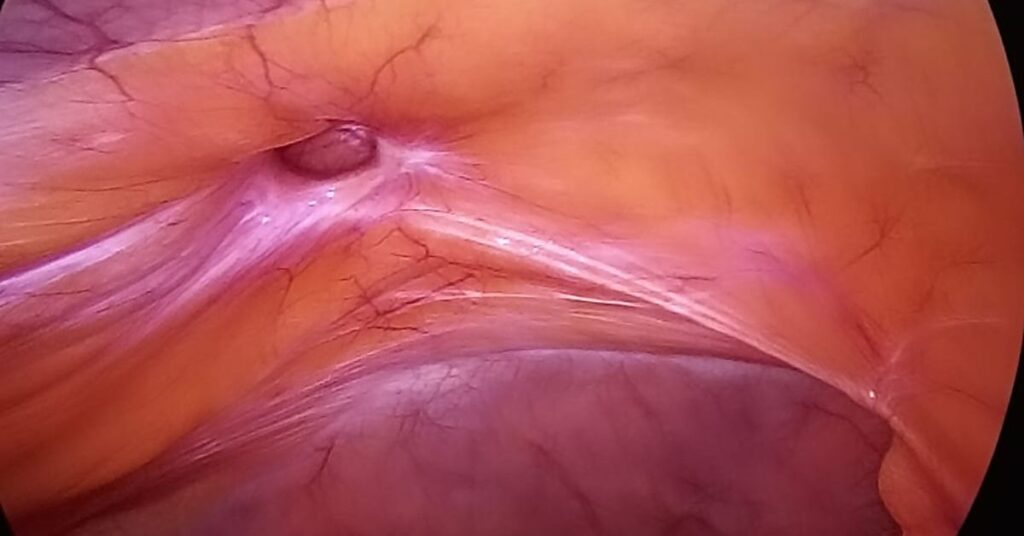
Patient's Initial Condition
Symptoms / Health Concerns
● 81-year-old female patient
● Long-standing ventral hernia
● Visible abdominal bulge
● Abdominal discomfort
● Increasing abdominal pain
● Gastrointestinal distress
● Progressive symptoms affecting daily activities
● Risk of sudden severe pain and complications associated with an untreated
Duration of Symptoms
The patient had been living with the ventral hernia for approximately 15 years. Over time, she developed increasing discomfort, pain, and gastrointestinal symptoms associated with the condition.
Previous Treatments
Management options for ventral hernia can include:
● Watchful waiting in selected cases
● Anatomical repair using sutures
● Mesh reinforcement to strengthen the abdominal wall
● Surgical repair when symptoms are significant or complications are a concern
Considering the patient's long-standing history and symptoms, surgical management was undertaken.
Diagnosis
Final Diagnosis
● Ventral Hernia
● Long-standing abdominal wall defect
● Visible abdominal bulge
● Abdominal discomfort and pain
● Gastrointestinal distress
● Symptomatic ventral hernia requiring surgical management
Tests / Scans / Investigations
The patient underwent appropriate clinical evaluation for her long-standing abdominal swelling, discomfort, and pain.
The assessment confirmed a ventral hernia, and surgical treatment was planned based on her symptoms and clinical condition.
Treatment Details
Laparoscopic Ventral Hernia Surgery
Considering the patient's symptomatic and long-standing ventral hernia, she underwent minimally invasive laparoscopic ventral hernia repair.
The procedure was performed to repair the abdominal wall defect and restore the strength and integrity of the abdominal wall.
Duration: The patient underwent minimally invasive laparoscopic surgery and remained under postoperative observation for approximately 2–3 days.
Advanced Techniques Used
● Minimally invasive laparoscopic approach
● Laparoscopic repair of the ventral hernia
● Surgical correction of the abdominal wall defect
● Abdominal wall reinforcement as required
● Postoperative monitoring and recovery care
● Early return to routine activities
Results & Recovery
Patient Improvements
● The ventral hernia was successfully repaired
● The abdominal wall defect was addressed
● The patient progressed well during postoperative recovery
● Abdominal discomfort and pain were expected to improve
● The patient was able to gradually resume routine activities
● Recovery was satisfactory without reported major complications
Recovery Duration: The patient had a hospital stay of approximately 2–3 days following surgery. She gradually recovered after the procedure and was able to return to her routine activities in approximately 1–2 weeks.
Final Outcome
The patient successfully underwent laparoscopic ventral hernia surgery for a long-standing symptomatic ventral hernia.
Following the minimally invasive procedure, she progressed well through postoperative recovery and gradually returned to her routine activities.
The surgical approach provided treatment of the abdominal wall defect while supporting a relatively short hospital stay and recovery period.
Returned to Normal Activities: Yes
Case Highlights
What Makes This Case Unique
This case involved an 81-year-old female with a ventral hernia that had been present for approximately 15 years.
Over the years, the patient experienced a visible abdominal bulge, abdominal discomfort, increasing pain, and gastrointestinal distress.
Considering her advanced age, long-standing hernia, and increasing symptoms, surgical management was undertaken using a minimally invasive laparoscopic approach.
The successful repair allowed the patient to progress through recovery and gradually return to her routine activities.
Complex / Rare Factors
● 81-year-old female patient
● Long-standing ventral hernia for approximately 15 years
● Visible abdominal bulge
● Increasing abdominal pain
● Abdominal discomfort
● Gastrointestinal distress
● Symptomatic abdominal wall defect
● Minimally invasive laparoscopic ventral hernia surgery
● Short postoperative hospital stay
● Return to routine activities within approximately 1–2 weeks
Most Significant Benefit
The most significant benefit was the successful treatment of a long-standing symptomatic ventral hernia through a minimally invasive laparoscopic approach.
The procedure addressed the abdominal wall defect while allowing the patient to recover with a relatively short hospital stay and return to routine activities within approximately 1–2 weeks.
Conclusion
This case highlights the role of minimally invasive laparoscopic surgery in the management of symptomatic ventral hernia, even in an elderly patient.
An 81-year-old female from Indore had been living with a ventral hernia for approximately 15 years. She presented with a visible abdominal bulge, abdominal discomfort, increasing pain, and gastrointestinal distress.
Considering the long-standing nature of the hernia and her increasing symptoms, surgical treatment was undertaken. The patient underwent laparoscopic ventral hernia surgery to repair the abdominal wall defect.
She had a hospital stay of approximately 2–3 days and gradually returned to her routine activities within 1–2 weeks.
The case demonstrates how appropriate surgical evaluation and a minimally invasive laparoscopic approach can provide an effective treatment option for patients with symptomatic ventral hernia, helping restore abdominal wall integrity and improve daily functioning.