

Types of Hernia and Which Ones Are More Painful
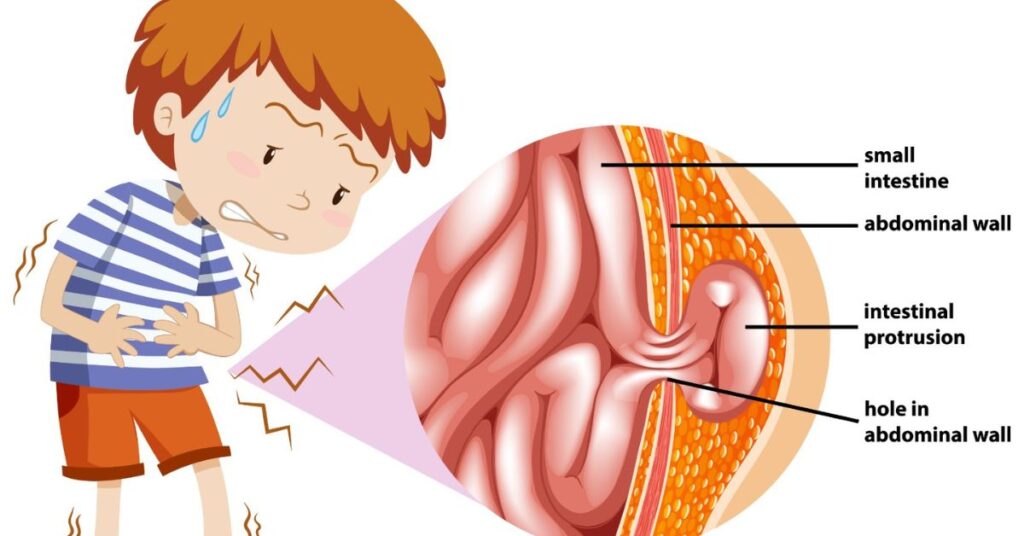
A hernia is not one condition. It can occur in different parts of the body and each type has its own symptoms, risks and treatment approach. Some hernias are small and cause little discomfort, but if they are not treated they can become painful and lead to serious complications. Knowing the different types of hernias can help you recognize the warning signs and get timely Hernia Treatment.
Inguinal Hernia
The most common type is an inguinal hernia and it usually occurs in the groin. Often it is a piece of intestine or fatty tissue that bulges through a weak spot in the lower abdominal wall. Patients may see a bulge that is more prominent when they are standing, coughing, or lifting heavy objects. Mild cases may cause little discomfort, but larger hernias can be painful and interfere with your daily activities.
Umbilical Hernia
This type is found in the region of the navel. It is common to see an umbilical hernia in infants but adults can develop it due to obesity, pregnancy or increased abdominal pressure. Large hernias can be uncomfortable, especially with activity, although small umbilical hernias are painless.
Incisional Hernia
A hernia that happens where you have had abdominal surgery . If the surgical wound does not heal with enough strength, the weakened area can allow tissue to bulge outward. The risk may be greater in obese, diabetic patients or those who have undergone repeated abdominal surgery. It is important that you get assessed early by a Hernia Surgeon in Indore to prevent the hernia from getting bigger.
Femoral Hernia
A femoral hernia is a type of hernia that occurs in the upper thigh just below the groin. It is less common but considered more likely to develop complications as the opening through which the tissue protrudes is comparatively narrow. Do not disregard this type of symptom, even if it appears to be mild.
Hernia hiatal
A hiatal hernia is a hernia that occurs inside the body, in which part of the stomach moves upward through the diaphragm into the chest. Patients typically have symptoms like heartburn, acid reflux, chest discomfort or difficulty swallowing, as opposed to a lump you can see. Treatment depends on the severity of symptoms and may include lifestyle changes, medication or surgery.
Which Hernias Are Most Dangerous?
Femoral hernias and large untreated inguinal hernias are more likely to become trapped, but all hernias can become serious if untreated. If the tissue protrudes and you cannot push it back inside the abdomen, it may cut off its blood supply and become a medical emergency. Never ignore severe pain, redness, nausea, vomiting or sudden hard swelling.
When Should You Get Medical Help?
If you notice a lump in your abdomen or groin, persistent pain or if the swelling is getting bigger, consult a Hernia Specialist in Indore immediately. If it is diagnosed early it can be treated in a planned way and not as an emergency.
Hernia can be treated by open and laparoscopic surgery in Indore. The choice of the procedure depends on the type of hernia, its size and the general health condition of the patient. Timely treatment not only helps alleviate symptoms but also decreases the likelihood of future complications, allowing you to resume your regular activities with confidence.