

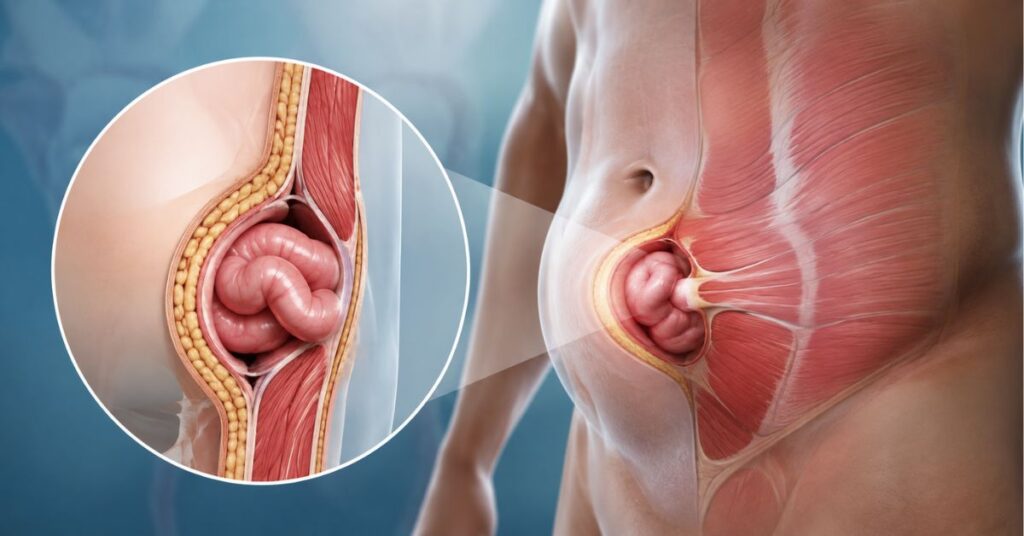
This complete guide explains the anatomy of a hernia: how and why tissue pushes through muscle. Research shows that knowledge of this aspect of hernia management is crucial for patient outcomes and quality of life.
Key Concepts
Effective management involves knowing and actively engaging with healthcare providers. Aspects of this topic impact patient care and health outcomes in the longer term.
Clinical Significance
This topic is an important aspect of comprehensive hernia care in medical literature and clinical research. These concepts are of great importance for proper treatment and prevention, according to healthcare providers.
Practical Applications
Patients can be taught how to apply this information to the demands of their own situation. Appropriate management and outcomes can be achieved, in conjunction with properly trained health care professionals.
Patient Education
Education on this topic allows patients to make informed decisions regarding their care. Knowing what factors are relevant will help in choosing the right treatment strategies and lifestyle changes.
Long Term Considerations
Long term management strategies aim to prevent complications and maintain quality of life. Regular monitoring and adjustment of approaches to keep effectiveness up.
Working with Healthcare Providers
This aspect of hernia management is important for patient outcomes and quality of life as evidenced by studies.
Summary
Hernia anatomy Understanding how and why tissue bulges through muscle an important part of comprehensive hernia management is. By remaining informed and working with their health care providers, patients may improve outcomes and maintain quality of life.