

Strangulated hernias are surgical emergencies. The blood supply to the trapped tissue is cut off and there can be no delay in the operation. For many patients and families, this is a scary situation and knowing what is happening can take away some of the fear.
Getting to the Hospital
The medical team will rapidly evaluate your status. This usually involves looking at the bulge, checking vital signs, taking blood tests, and sometimes doing an ultrasound or CT scan to confirm the diagnosis. You will be asked to stop eating and drinking. Intravenous fluids and pain relief will be started. If there is any suspicion of infection, antibiotics may be given before the operation.
Anesthesia
Almost always, emergency hernia surgery is done under general anesthesia, so the patient is completely asleep, and the surgeon has full access. The anesthesia team will be monitoring you closely throughout the procedure. If you are older or have other health problems, they will monitor you even more closely.
The Surgery
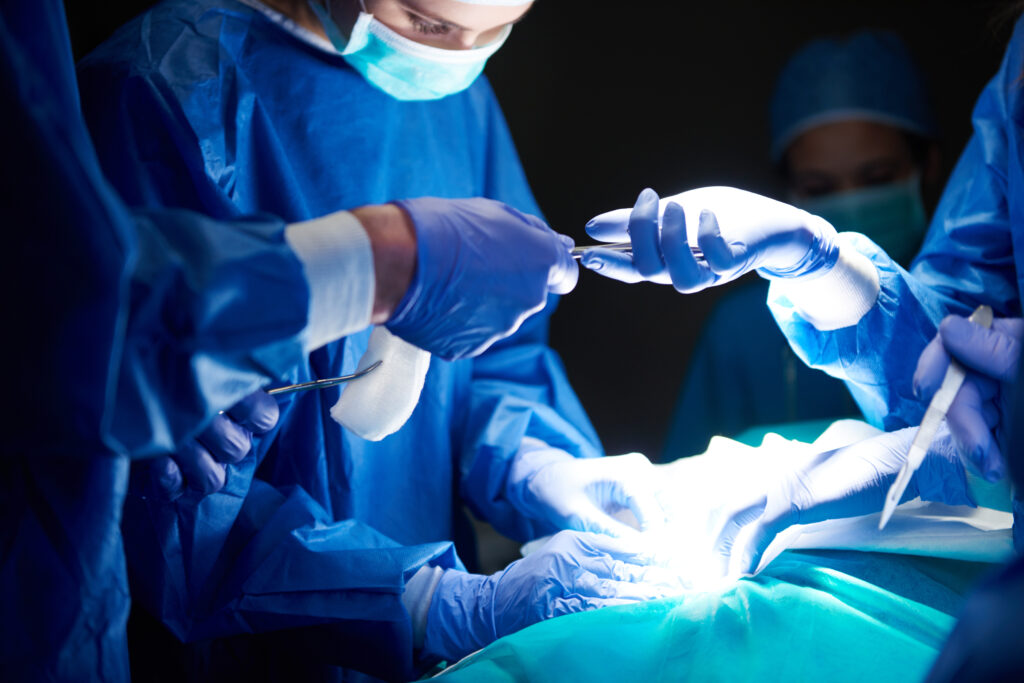
Most strangulated hernias are treated with an open incision over the bulge, as this provides the surgeon with the best view of the trapped tissue. The sac is opened, the contents carefully liberated. Once blood flow is restored, the surgeon looks at the tissue for signs of life such as color, warmth, and movement.
If the Tissue Is Still Healthy
Gentle replacement of viable bowel or fat in the abdomen. The weak spot in the wall of the muscle is repaired, often using mesh if the area is clean, to prevent the hernia from coming back.
If the Tissue Has Died
When a part of the bowel dies, that part is taken out and the healthy ends are sewn together. In these cases, mesh may be avoided or carefully chosen due to the higher risk of infection, and a tissue repair may be used instead.
Recovery From Emergency Surgery
Hospital stay is usually longer than after planned repair, from a couple of days to a week or more depending on whether a bowel was removed. Pain is controlled with medication, and early walking is encouraged to prevent blood clots and to help the digestive system “wake up.” Gradually eating resumes as bowel function returns.
The Importance of Early Care
Results are much better if treatment starts early. A hernia specialist in Indore with a well-equipped emergency team can minimize the complications and protect the bowel.
Surgery for strangulated hernia is an emergency but is well established. Most patients do well with quick action, expert surgical care, and careful recovery.