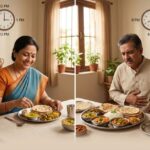


Your body is busy repairing muscle and connective tissue after a hernia repair. Protein forms the building block of that repair.” If you don’t get enough of it healing can slow down and you may feel weaker and more tired than you need to.
Importance of protein
Protein helps build new tissue, supports immune function and assists in preserving muscle strength when you’re less active. Having enough protein will help your wound heal well and facilitate a smoother recovery.
Select lean protein sources
- Lentils and dals: Stomach-friendly and economical are moong, masoor and toor dal.
- Eggs are a complete protein: Eggs (boiled or poached) are easily digested.
- Curd, paneer and milk: Good source of calcium and protein but portion size and tolerance matters.
- Chicken and fish: If you are a non-vegetarian, choose grilled, steamed or lightly cooked chicken or fish instead of fried.
- Soy, Tofu and Sprouts: Good options for vegetarians.
- Nuts and seeds: Almonds, pumpkin seeds, and peanuts are a good source of protein and healthy fats.
Spread it throughout the day
Add a protein source to every meal, rather than having all your protein at dinner. This helps with steady healing and can help you feel full.
Cooking matters
Opt for steaming, boiling, grilling and light sautéing. Following surgery, you want to avoid things that can cause acidity and bloating such as heavy gravy and deep-fried items.
When taking supplements
If you have a poor appetite, your doctor or dietitian may recommend a protein supplement. Don’t start one without guidance, especially if you have kidney or liver disease.
The best laparoscopic hernia surgeon in Indore can also help you in your recovery process, as minimally invasive techniques are less damaging to tissue and more rapid in getting you back to normal routine. Good aftercare is a big part of hernia treatment in Indore, and nutrition guidance is a part of that conversation.
Always follow your surgeon’s diet instructions as needs are different for each person.