

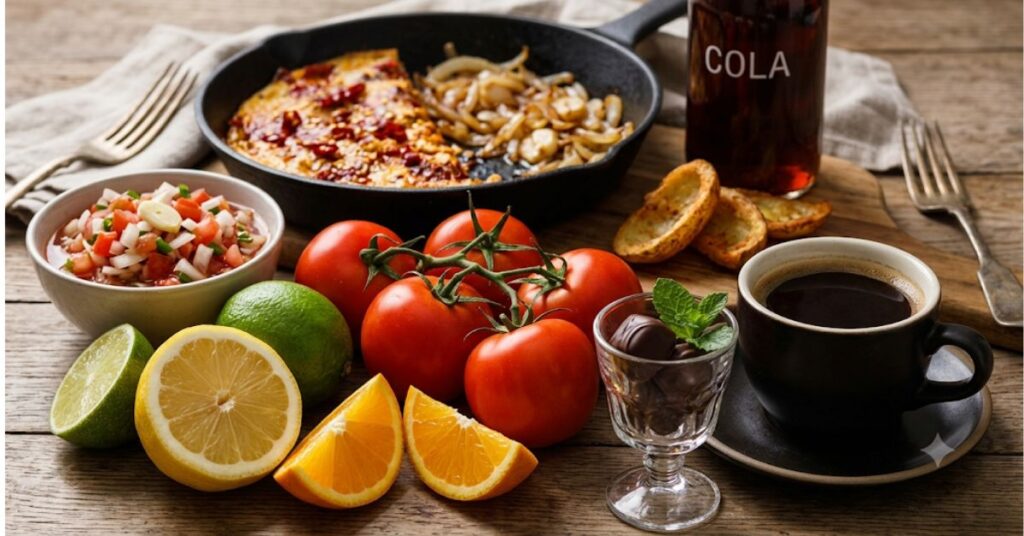
A hiatal hernia is when part of the stomach pushes up through the diaphragm into the chest cavity, often causing acid reflux and heartburn. Some foods can relax the valve that normally keeps stomach acid where it belongs, or they can directly irritate an already inflamed esophagus, and this can make symptoms noticeably worse during a flare-up. Knowing which foods to avoid when you are having a flare-up can help you feel more comfortable.
Why Certain Foods Lead to Flare-Ups
The lower esophageal sphincter is the muscle valve that prevents stomach acid from going up. Certain foods and beverages can cause this valve to relax more than it should, and others can stimulate the production of stomach acid directly. Both of these effects exacerbate reflux symptoms in a person with a hiatal hernia.
Food Triggers You Should Avoid
- Caffeinated beverages like coffee, strong tea and energy drinks
- Alcohols, especially wine and liquors
- Chocolate relaxes the esophageal valve
- Peppermint and spearmint, both of which soothe stomachs
- Deep fried and greasy food
- Carbonated beverages that build pressure in the stomach
- Fruits and juices of citrus
- Tomato sauces and ketchup
- Chili, pepper or hot sauces or spicy food
Instead, eat these during a flare-up.
Mild, low acid foods tend to be better tolerated during an active flare. Foods such as oatmeal, bananas, melons, plain rice, boiled or grilled chicken, and steamed vegetables are usually easier on the digestive system while symptoms are subsiding.
Additional habits that help during a flare-up
Smaller portions, not lying down for at least two to three hours after meals and elevating the head of the bed slightly can all help to decrease nighttime reflux. Wearing loose clothes around the waist can also help as they reduce pressure on the stomach.
When Diet Changes Aren’t Enough
Frequent, severe flareups or flareups that don’t respond to dietary adjustments may be a signal that the hiatal hernia needs closer medical evaluation. A hernia surgeon in Indore can tell you if you need to keep on managing your symptoms or if a surgical repair would give you more long-term relief.
Summary
One of the best ways to manage a hiatal hernia flare-up is to identify and avoid your own trigger foods. If you combine these dietary changes with good eating habits, you can greatly reduce your discomfort. Any ongoing symptoms should always be discussed with a specialist.