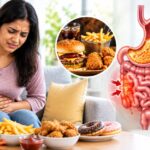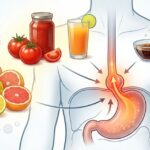

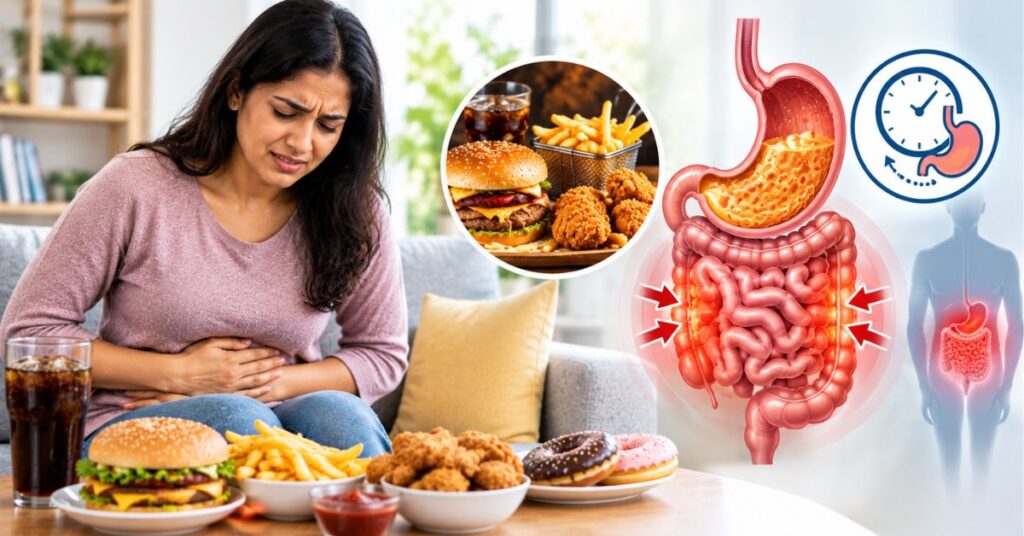
Fatty, fried foods often get singled out as trouble for a person with a hernia, and there is real digestive science behind that advice. It’s more than just indigestion. Fatty foods slow down the entire digestion process in ways that can directly increase abdominal pressure and worsen hernia-related symptoms.
Why Fat Keeps You Full Longer
Fat is digested more slowly in the stomach than either carbohydrates or protein. A fatty meal slows down the rate of emptying of the stomach, so that food stays in the digestive tract longer. This delay is a normal digestive response but causes problems for those with a hernia already.
How Slow Digestion Is Related to Abdominal Pressure
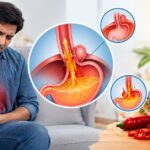
Food stays in the stomach longer, which can cause bloating, gas and a feeling of fullness long after the meal is over. This pressure buildup raises the pressure inside the abdominal cavity. If you have a hiatal hernia, increased pressure in the abdomen can push more of your stomach through the opening in the diaphragm, worsening reflux. Increased internal pressure can make the bulge more prominent or even enlarge over time in hernias on other parts of the abdominal wall.
Fried foods add another layer of trouble.
Fried foods not only contain fat but are often combined with reflux triggering effects on the esophageal valve, as with other high fat foods. Fried foods are a common offender for both bloating and heartburn in hernia patients, due to the combination of slow digestion, gas, and valve relaxation.
Practical Ways to Reduce the Impact
- Opt for baked, grilled or steamed preparations over frying
- Select leaner cuts and cut off visible fat from meats
- Reduce the serving size of rich or creamy dishes instead of eliminating them entirely
- Space out fatty meals earlier in the day rather than near bedtime
- Combine fatty foods with fiber-rich veggies for better digestion
Listen to your body.
How much fatty food you can eat depends on the size and location of your hernia. A basic food and symptom diary can help you determine which specific dishes or ingredients are most problematic for you personally.
When a professional opinion is desired If you’ve been changing your diet and you still have frequent bloating, pressure and reflux, it may be that the hernia has grown to a point where diet alone cannot handle it. You can consult with the best hernia doctor in Indore who can assess your condition and advise whether diet management is sufficient or if treatment is the better choice. Conclusion Fatty and fried foods can slow digestion and increase abdominal pressure in ways that may directly exacerbate hernia and reflux symptoms. Small changes in how you cook and in the portion sizes you use can help, but if symptoms persist, you should have a proper medical assessment.